
7 Reasons Customers Visit Your Website but Never Buy Anything
Imagine investing money in building a business website, publishing your products and services, sharing your website link on social media, and even running advertisements to attract potential customers. Your website receives visitors, people explore your pages, and some spend several minutes browsing. Yet, despite all these activities, nobody makes an enquiry, requests a quotation, places an order, or purchases your services.
For many business owners, this is a frustrating experience. You have invested time, money, and effort into establishing an online presence, but the expected business results are not coming.
Here is an important truth: attracting visitors to your website and converting those visitors into paying customers are two different achievements.
A website can receive considerable traffic without generating meaningful business opportunities. The problem may not necessarily be your product, your pricing, or the demand for your services. It may be the experience visitors receive after arriving on your website.
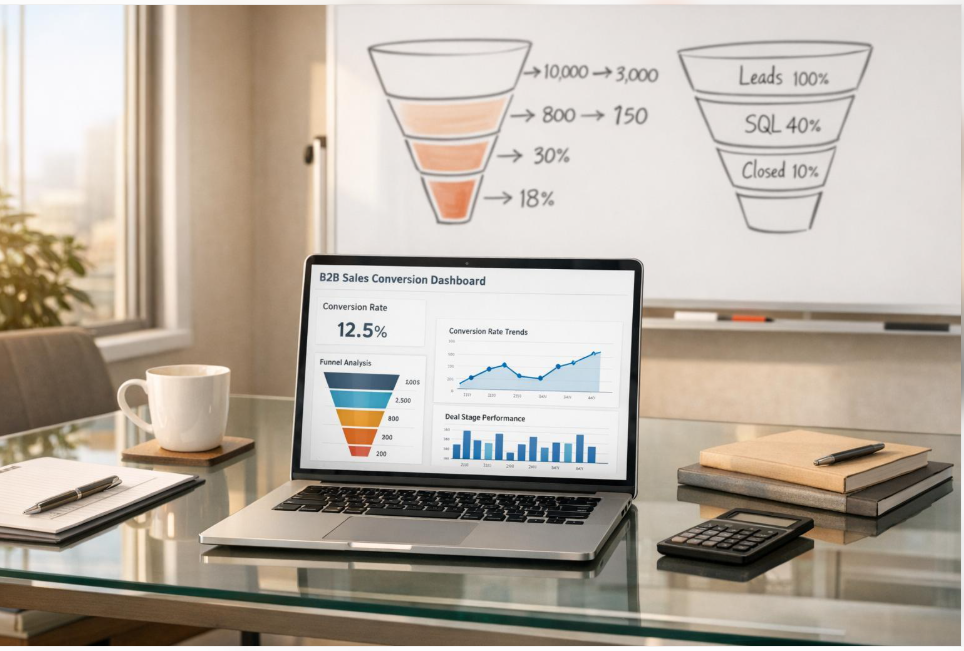
Your website must do more than display information. It must communicate value, establish credibility, answer important questions, remove uncertainty, and make it convenient for potential customers to take the next step.
Your Website Should Work as a Business Development Tool
Think of your website as a representative of your business that remains available around the clock. Whenever a potential customer visits, it should help them understand what you offer, why they should trust you, what makes your business different, and how they can purchase from you.
If visitors cannot find these answers, they may leave and choose a competitor whose website communicates more effectively.
In This Article
- Your website does not create a strong first impression
- Your products and services are not clearly explained
- Your website does not build enough trust
- Your website is difficult to navigate
- Your website is not properly optimised for mobile devices
- Your website has weak calls to action
- Your buying process is complicated
- How to turn visitors into paying customers
- Frequently asked questions
Understanding the Difference Between Website Traffic and Sales
Before examining the seven reasons, it is important to understand that a visitor’s decision to purchase involves several stages. Someone may discover your website, become interested in your services, compare your offer with competitors, look for evidence of reliability, and eventually decide whether to contact you.
At any stage, uncertainty or inconvenience can prevent that person from becoming a customer.
Your responsibility as a business owner is to identify these barriers and improve the experience. The more clearly your website communicates and the more confidently it guides visitors, the easier it becomes for them to take meaningful action.
1. Your Website Does Not Create a Strong First Impression
First impressions matter in business. When someone visits your website for the first time, they immediately begin forming an opinion about your company based on what they see.
Imagine a customer searching for a professional service. They discover your website and arrive at a page with outdated colours, poorly arranged content, inconsistent fonts, blurry images, and an unprofessional layout.
Even if your business provides excellent services, the visitor may begin questioning your level of professionalism. They may wonder whether your business is reliable enough to handle their project.
This is one of the challenges with poorly designed websites: the quality of your website can influence how customers perceive the quality of your business.
What could be going wrong?
- Outdated website design and appearance.
- Unprofessional colour combinations and typography.
- A cluttered homepage with too much information.
- Poor-quality photographs and graphics.
- Inconsistent branding across different pages.
- Important information hidden beneath unnecessary content.
Invest in a modern, professional website design that reflects the quality and identity of your business. Your homepage should communicate what you do, who you serve, and what visitors should do next.
Use consistent colours, readable typography, professional images, clear headings, and properly organised sections. A well-designed website does not have to be complicated. It needs to be attractive, easy to understand, and strategically arranged to guide visitors towards action.
2. Your Products and Services Are Not Clearly Explained
One common mistake business owners make is assuming that visitors automatically understand what they sell.
Your business may offer excellent products or services, but if visitors cannot quickly understand what you provide, how it works, and how it benefits them, they may leave without making an enquiry.
For example, displaying a heading such as “We Offer Professional Services” does not provide enough information. What services do you offer? Who needs them? What problems do they solve? Why should someone choose your business?
Customers are not visiting your website simply to admire your business name. They are looking for solutions to their problems.
What could be going wrong?
- Vague descriptions of your products and services.
- No explanation of the benefits customers receive.
- Unclear pricing information or purchasing requirements.
- Technical language that ordinary customers cannot understand.
- No examples showing how your service solves real problems.
Write clear service descriptions that focus on customer needs. Explain what you offer, who it is for, what problem it solves, how the service works, and what the customer should do to get started.
Where appropriate, include pricing guides, project examples, service packages, product specifications, and answers to common customer questions.
3. Your Website Does Not Build Enough Trust
Trust is one of the most important factors influencing online purchasing decisions.
Think about it from the customer’s perspective. They have discovered your business online, but they may never have met you, visited your office, or spoken to anyone who has used your services.
Before giving you their money or personal information, they want reassurance that your business is genuine, dependable, and capable of delivering what it promises.
What could be going wrong?
- No visible business contact information.
- No genuine customer testimonials or reviews.
- No information about the company or its background.
- No portfolio or evidence of previous work.
- No clear payment, privacy, or service policies.
- Broken links, missing pages, or outdated information.
- No secure HTTPS connection.
Build credibility by making your business identity and contact details easy to find. Include a properly written About Us page, genuine customer testimonials, completed projects, business contact information, a professional email address, and clear policies.
When customers can see what you have done for others, understand how you operate, and find ways to contact you, they have more reasons to feel comfortable doing business with you.
4. Your Website Is Difficult to Navigate
A website should make it easy for visitors to find what they need. Unfortunately, some business websites are designed without considering how customers actually use them.
Imagine visiting a website because you want to purchase a product. You cannot find the product category, the navigation menu is confusing, the contact page is hidden, and important information is scattered across different sections.
Most visitors do not have the patience to solve navigation problems. They expect websites to provide a straightforward experience.
What could be going wrong?
- Complicated navigation menus.
- Missing or poorly organised service pages.
- Important links that are difficult to locate.
- Broken buttons and website links.
- Too many unnecessary pop-ups.
- Pages containing excessive or poorly organised information.
Organise your website around the needs of your customers. Use clear menu labels such as Home, About Us, Services, Products, Blog, and Contact.
Place important information where visitors naturally expect to find it. Make contact details visible, organise your service categories properly, and ensure every important page can be accessed without unnecessary effort.
5. Your Website Is Not Properly Optimised for Mobile Devices
Many customers browse the internet using smartphones. They search for products, compare businesses, read articles, request quotations, and make purchases directly from their mobile devices.
If your website looks attractive on a desktop computer but becomes difficult to use on a smartphone, you may be losing valuable business opportunities.
What could be going wrong?
- Text that is too small to read comfortably.
- Images that extend beyond the mobile screen.
- Buttons that are difficult to tap.
- Menus that do not work properly on smartphones.
- Slow-loading pages and oversized images.
- Forms that are difficult to complete on mobile devices.
Ensure your website uses responsive design so that it adjusts properly to smartphones, tablets, laptops, and desktop computers.
Optimise images, simplify mobile navigation, use readable fonts, create comfortable spacing, and test all buttons and forms on actual mobile devices.
A mobile-friendly website is not simply an additional design feature. It is an essential part of providing a good customer experience.
6. Your Website Has Weak or Confusing Calls to Action
A visitor may spend several minutes reading your website, become interested in your services, and still leave without contacting you because you never clearly tell them what to do next.
This is where calls to action become important.
A call to action (CTA) is a message or button that encourages visitors to take a specific step. Examples include:
- Get a Free Consultation.
- Request a Project Quote.
- Shop Now.
- Book an Appointment.
- Contact Our Team.
- Get Started Today.
- Chat With Us on WhatsApp.
What could be going wrong?
- No clear contact or purchase buttons.
- Calls to action hidden at the bottom of pages.
- Buttons with vague wording such as “Click Here”.
- Too many competing buttons on one page.
- No clear next step after visitors read about your services.
Give every important page a clear purpose. If the page promotes a service, encourage visitors to request a quotation or consultation. If it promotes a product, make purchasing straightforward.
Use visible, action-focused buttons and place them naturally throughout the page. Make sure each button leads to the correct destination.
7. Your Buying Process Is Complicated or Inconvenient
Sometimes, customers are ready to buy, but the process of completing a purchase becomes the reason they abandon the transaction.
A potential customer may like your product, trust your business, and be willing to pay. However, if they cannot find the payment instructions, encounter a confusing checkout page, experience broken forms, or struggle to contact your business, they may give up.
Every unnecessary step creates another opportunity for a customer to change their mind.
What could be going wrong?
- Complicated checkout procedures.
- Unclear payment instructions.
- Too many unnecessary form fields.
- Limited or inconvenient payment options.
- Broken enquiry forms or non-functional buttons.
- No clear explanation of what happens after payment.
- No visible customer support channel.
Make purchasing and requesting services as straightforward as possible. Use simple forms, provide clear payment instructions, integrate reliable payment gateways where appropriate, and make your customer support channels accessible.
Explain the next steps after an order or enquiry. Customers should know what happens after they submit a form, make a payment, or request a quotation.
How to Turn Website Visitors Into Paying Customers
Identifying the problems is only the beginning. The real opportunity lies in improving your website so that it supports your business objectives.
You do not necessarily need to throw away your existing website and start again. Some websites need a few strategic improvements, while others require a complete redesign because their structure, appearance, and user experience are no longer suitable for the business.
1. Review Your Homepage
Your homepage should immediately communicate what your business does, who it serves, and what visitors can expect. Avoid generic messages that do not explain your actual value.
2. Improve Your Service and Product Pages
Create dedicated pages for important services and products. Explain their benefits, features, pricing where applicable, and how customers can make enquiries or purchases.
3. Add Genuine Customer Testimonials
Let satisfied customers share their experiences. Use authentic reviews and, where permission is given, genuine customer photographs or project results.
4. Create Dedicated Landing Pages
If you are advertising a particular service or product, consider creating a landing page designed specifically for that offer.
Unlike a general homepage, a landing page focuses on one primary objective. It presents the offer, explains its benefits, addresses objections, and guides visitors towards a specific action.
5. Improve Website Speed and Mobile Experience
Compress images, remove unnecessary plugins, use reliable hosting, and test your website across different devices. A technically healthy website supports a smoother customer experience.
6. Track What Visitors Actually Do
Use tools such as Google Analytics 4 and Google Search Console to understand website traffic, popular pages, search visibility, and visitor behaviour. Set up appropriate conversion tracking to measure enquiries, purchases, and other meaningful actions.
When Should You Consider a Professional Website Redesign?
There comes a point when small adjustments are no longer enough. If your website has persistent design problems, outdated functionality, confusing navigation, poor mobile responsiveness, or an ineffective structure, a professional redesign may be the better long-term investment.
Consider professional website improvement if:
- Your website looks outdated compared with competitors.
- Customers frequently struggle to understand your services.
- Your website receives visitors but generates very few enquiries.
- Your existing pages do not encourage customers to take action.
- Your website is difficult to manage or update.
- You want to introduce online bookings, payment integration, or e-commerce functionality.
- You are investing in advertising but not getting the expected business results.
A professional redesign should not be based on appearance alone. It should consider your business goals, target audience, customer journey, website structure, mobile usability, and conversion strategy.
Is Your Website Bringing Visitors but Not Customers?
Your business deserves a website that does more than occupy space on the internet. At Richems Digital, we help businesses create professional, user-friendly, and conversion-focused websites designed to communicate value, build customer confidence, and encourage meaningful business enquiries.
Whether you need a complete website redesign, a professional WordPress website, a dedicated landing page, or improvements to your existing website, we can help you build a better digital experience for your customers.
Frequently Asked Questions
1. Why do people visit my website but not buy anything?
Visitors may leave without buying because your website does not communicate your value clearly, lacks trust signals, has poor navigation, loads slowly, or makes purchasing difficult. Your pricing, product-market fit, traffic quality, and customer readiness can also influence purchasing decisions.
2. Does a professional website design increase sales?
Professional website design can support better sales performance by improving usability, communicating value, building credibility, and making it easier for customers to take action. However, design alone cannot guarantee sales. Your offer, pricing, marketing, customer service, and target audience also matter.
3. What is website conversion optimisation?
Website conversion optimisation is the process of improving a website to increase the percentage of visitors who complete a desired action, such as making a purchase, submitting an enquiry, booking an appointment, or requesting a quotation.
4. What is the difference between a website redesign and a landing page?
A website redesign involves improving the overall structure, appearance, functionality, and user experience of an existing website. A landing page is a focused page created to promote a specific product, service, campaign, or offer and encourage visitors to take one primary action.
5. How can I know whether my website is converting visitors?
Monitor meaningful actions such as completed purchases, enquiry form submissions, WhatsApp conversations initiated, bookings, and quotation requests. Compare these actions with relevant website traffic to understand your conversion performance.
6. Should I redesign my website or improve my existing one?
That depends on the condition of your website. If the problems are limited to a few pages, buttons, images, or forms, targeted improvements may be sufficient. If the entire structure, design, navigation, and functionality are outdated, a complete redesign may provide better long-term value.
Final Thoughts: Your Website Should Give Customers a Reason to Choose You
A successful business website is not measured by how beautiful it looks alone or how many visitors it attracts. Its real value lies in how effectively it communicates with potential customers, answers their questions, builds confidence, and makes doing business with you convenient.
If customers are visiting your website but never buying anything, do not immediately conclude that online business does not work for your company. Instead, examine the experience you are offering them.
Find the barriers, improve the customer journey, communicate your value more clearly, and make the next step easy.
Remember, your website should not simply tell people that your business exists. It should help them understand why choosing your business is a worthwhile decision.
At Richems Digital, we believe every business deserves a professional online presence that works towards real business objectives. Start improving your website experience today.
Ready to give your website a professional upgrade? Visit richemsdigital.com or contact our team on WhatsApp at +234 803 551 0493.
Published by Richems Digital | Website Design, WordPress Development, Landing Pages and Digital Solutions.